
星空体育

Analytical Methods
Physicochemical Analytical Development
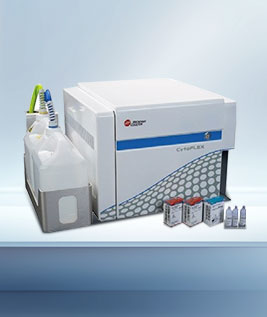
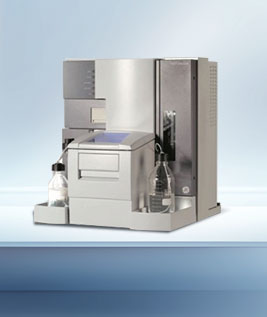
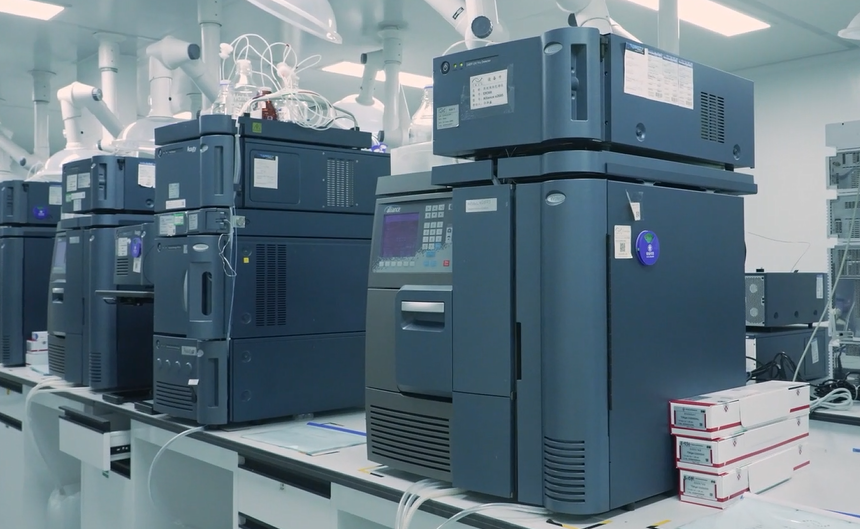
Canton Biologics' Physico chemical Analysis Platform is equipped with fully compliant, comprehensive, and high-performance instrumentation, supported by an experienced analytical method development team and a robust quality management system through digitally integrated systems such as CDAP, RA and ELN, we implement end -to end control throughout the method development and validation lifecycle, providing clients with high-quality CMC and regulatory submission support

In recent years, we have successfully supported over 21 projects in their IND/BLA filings including monoclonalanti bodies (mAbs), bispecific antibodies (BsAbs) recombinant proteins, fusion proteins, and recombinant vaccines
Compliant Analytical Services
・We adhere to ICH and global regulatory guidelines toestablish a comprehensive product quality analysisand specification library.
Diverse Project Portfolio
・Integrated CMC studies/Targeted physicochemical characterization/Stand-alone testing services
Comprehensive & Rapid Method Development
・Early-stage molecule screening Upstream/downstream process intermediates drug substance, drug product, and stability studies
Proven Regulatory Expertise
・We deliver detailed method development/validation reports,characterization data, and CTD documentation compliantwith China NMPA and US FDA submission requirements.
Charge Variant Analysis (iclEF)
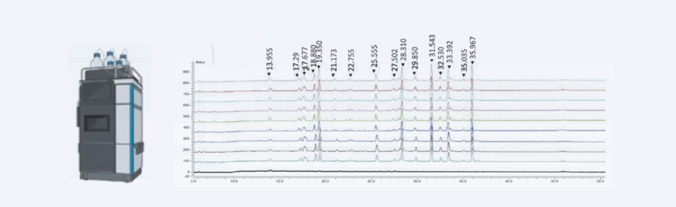
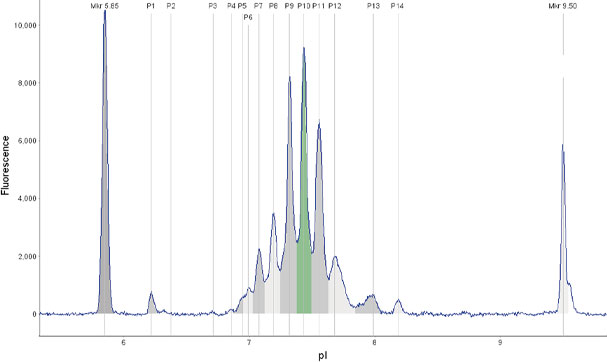
We possess extensive method development experience,capable of performing charge heterogeneity analysis forvarious complex proteins, delivering accurate, rapid, andhighly reproducible analytical solutions.
icIEF浅析双特男人抗体阳性的电势遗传变异体
Rapid Peptide Mapping
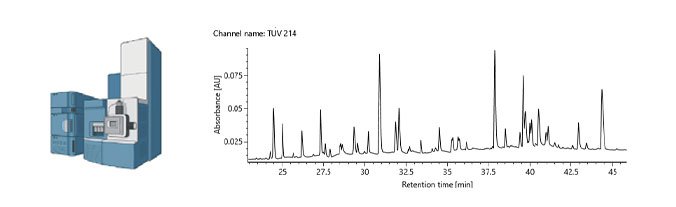
By integrating expertise across diverse protein types and characteristics, we haveestablished an end-to-end peptide mapping workflow that reduces method

In-silico
Analysis

CDR or Signature Sequence
Annotation

LC-MS
MDR

LC-MS Method Development

Method
Pre-validation

Transfer to Physicochemic
alnalysis Group

Method Development
Report (MDR)

Finalize Method
Development Tasks
Peptide Mapping Method Development
Method Validation
Characterization Analytical Development
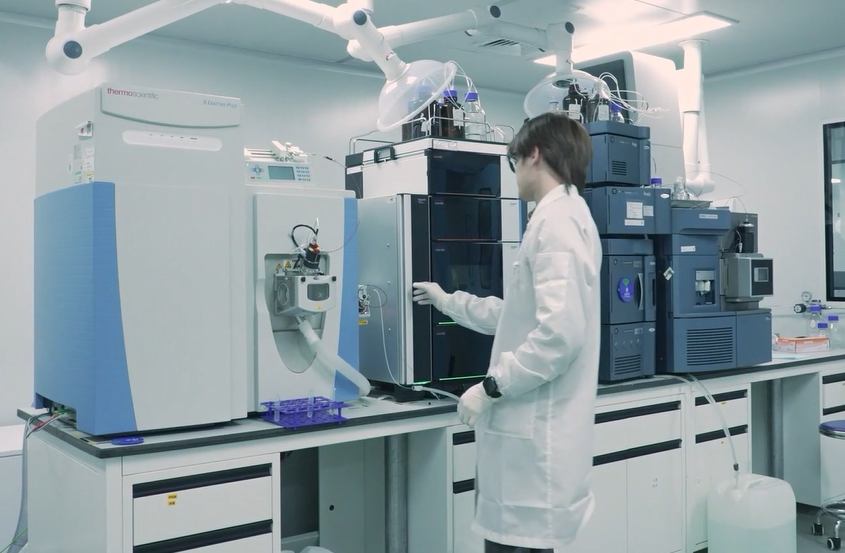
Canton Biologics Characterization Platform is equipped with high-resolution mass spectrometry systems including WatersAcquity H-Class & Xevo G2-XS and Thermo Vanquish & Q Exactive Plus, supported by bioinformatics software suites suchas UNIFl, Xcalibur, Mass Frontier, Biopharma Finder, pGlyco, pLink, Mass Solver, and Glycoform Searching. This integratedplatform provides comprehensive characterization services to support process development and quality studies for variousbiomolecules.
Amino Acid Sequence Analysis
Risk Attribute Prediction
2D and 3D
Structure Constructior
Mechanism of Action
Risk
Assessment
Project
References
01
In-silico Analysis
By leveraging bioinformatics tools, we rapidly obtain physicochemical properties of proteins-including molecular weight, isoelectric point, extinction coefficient, disulfidebonds, free thiols, and glycosylation-while predictingpotential post-translational modifications, aggregation propensity, and immunogenicity.
Through 3D visualization and platform experience, we generate develop ability assessment parameters to support clients in early CMC stages for molecule optimization,upstream/downstream process and formulation development,and early risk mitigation strategies-ensuring successful CMC development within reasonable timelines and costs.
02
N/O-Glycan Characterization
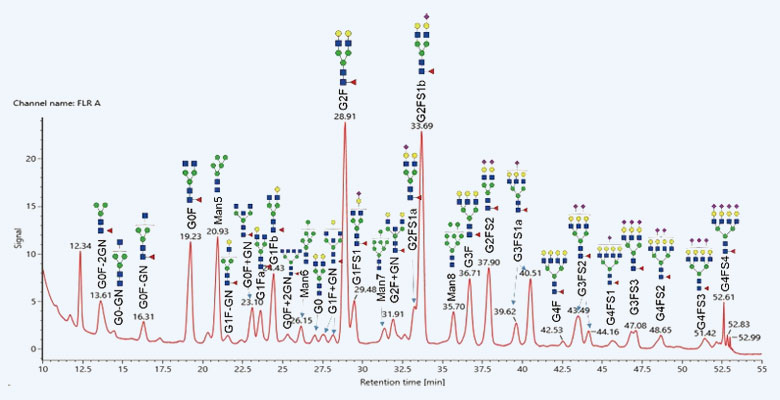
By integrating in-silico predictions with experimental data-including intact protein mass, free glycans, sialic acidprofiling, and glycopeptide analysis-we provide acomprehensive orthogonal analysis of protein glycosylation.This approach delivers critical glycosylation-specific qualityattributes (gcQAs) to support clone screening, culturecondition optimization, and downstream purification,ultimately accelerating biopharmaceutical development whileenhancing product efficacy and safety. Service PortfolioIncludes:
Service Portfolio Includes:
・Service Portfolio Includes:
・Content Analysis of Critical GlycanTypes: Sialylation, fucosylation, high-mannose, terminal galactosylation, and Gal a1-3 Gal
・N/O-glycosylation Site Identification
・N-glycosylation SiteOccupancy Analysis & Site-Specific GlycoformProfiling
简化矿酸N-糖谱鉴别图谱(HILIC-FLR-MS)
03
Peptide Mapping and Post-TranslationalModification (PTM) Analysis
We employ well-established top-down, middle-down, andbottom-up strategies to characterize diverse PTMs fromeukaryotic, E. coli, and yeast fermentation systems. Custommethod development is available to meet specific clientrequirements.
Sequence Coverage
Post-Translational Modifications (PTMs)
N-/C-Terminal Sequence Confirmation
Sequence Variant Analysis
Cleavage Site Analysis
Site-Specific Glycosylation Analysis
04
Higher-Order Structure(HOS)Analysis
Higher-Order Structure (HOS) characterization elucidates thesecondary, tertiary, and quaternary structures of biologicmacromolecules. Integrated with primary sequence analysis, itensures structural consistency across batches. This approach iswidely applied in site transfers, process scale-up/scale-down,manufacturing changes, and comparability studies, supporting bothproduct development and regulatory submissions.
Techniques Include:
Circular Dichroism (Far-UV/Near-UV CD)
Differential Scanning Calorimetry (DSC)
Fluorescence Spectroscopy
Size-Exclusion Chromatography with Multi-Angle Light
Scattering (SEC-MALS)
Analytical Ultracentrifugation (AUC)
Dynamic Light Scattering (DLS)
Micro-Flow Imaging (MFI)
Biochemical Analysis Platform
Bioanalysis is integral throughout all stages of drug development, including candidate screening, mechanism ofaction characterization, safety assessment as well as potency, stability and comparability studies duringmanufacturing. Canton Biologics has extensive expertise in functional and potency bioassays for a variety ofbiotherapeutic modalities-Such as antibodies, vaccines ADCs, and fusion proteinsdelivering comprehensivebioanalytical services to our clients.Our team possesses substantial project experience in cell-based activity assays, selecting relevant target oreffector cells based on the specific drug's mechanism of action and developing corresponding cell-based potencymethods. We offer a range of bioanalytical approaches, including assessment of target-effector cell binding, signaltransduction, cell proliferation, cytotoxicity, viral neutralization, cytokine release, and other immune functionanalysesAdditionally, we provide custom assay development and validation-including reporter cell line engineering-tosupport feasibility studies, IND submissions, non-clinical and clinical studies. All services are performed incompliance with current bioanalytical guidelines from NMPA, ICH, FDA, and EMA, ensuring high-quality data toadvance our clients' programs.
Core Services
Project Consulting Services
Custom Assay Development
Method Transfer to QC or Third-Party
ELISA Kit Development
Reporter Cell Line Development
Release Assay Development

Core Technology
Comprehensive ELISA Analysis
SPR/BLI Affinity Analysis
In Vitro Bioactivity Analysis
Multicolor Flow Cytometry Analysis
Early-Stage Molecular Screening
Exosome Analysis
State-of-the-art and fully-equipped instrumentation
Bioassay capability

Bioassay capability

ELISA binding potency ELISA competitive binding ELISA titer ELISA kit construction

Cell-based potency

Reporter gene assay Cell cytotoxicity Cell proliferation ADCC/ADCP/CDC Cytokine release Enzymatic activity Virus neutralization

Affinity analysis

SPR/BLI Affinity screening Epitope screening

Gene analysis

ddPCR/qPCR) c/gDNA analysis Mycoplasma

Residual analysis

Host cell protein Host cell DNA Protein A FVIISelect Insulin Ampicillin Dnase/RNase

Other analysis

Coagulation Activity Fibrinolytic Activity Western Blot Endotoxin
Reporter Gene Cell Line Construction
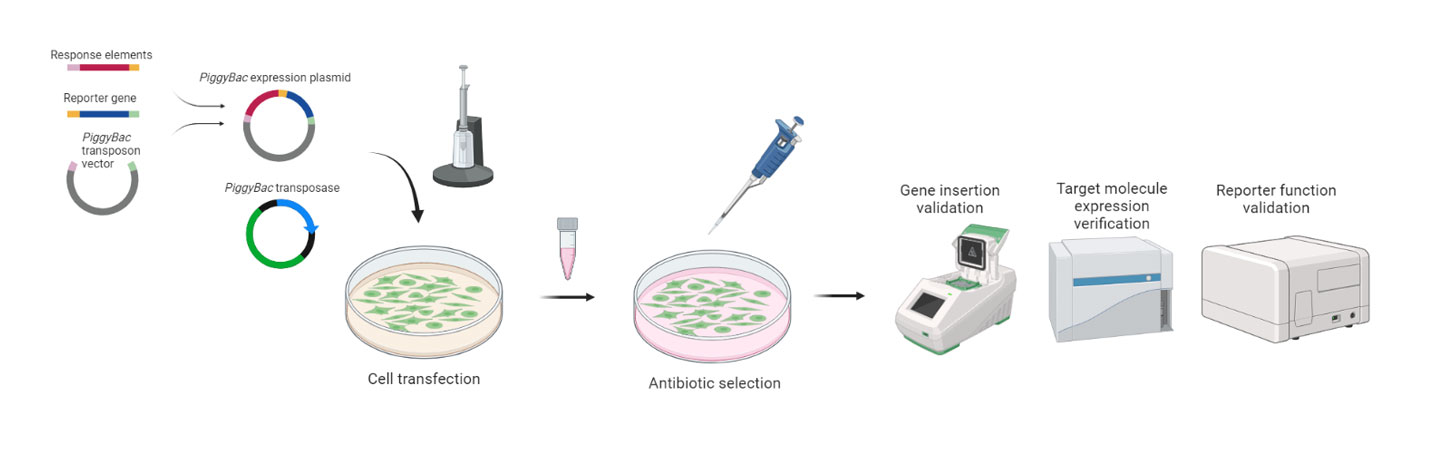
Genetic engineering is used to create reporter cell lines, overcoming the limitations of traditional primary cells and enablingadvances in cell-based activity analysis. These lines are designed based on the drug's mechanism of action (MOA) andmonitor target signaling by measuring reporter gene expression, offering high sensitivity, fast turnaround, highreproducibility, and easy operation.
Cantonbio has established an efficient reporter cell platform to support drug development. It meets the needs of signalingresearch and early-stage screening, and also supports CMC release through functional and stability validation.
Service Workflow
Project Design 1-2 Weeks
Design reporter cellline constructionplan based on theproduct MOA andclient requirements.
Vector
Construction 1-2 Weeks
Construct high-efficiency expressionvectors containing thetarget gene andreportergene.
Cell Transfection 1-2 Weeks
Chemical Electroporation Lentiviral
Selection and
Characterization 1-2 Weeks
Confirm gene expression Validate reporter genefunction
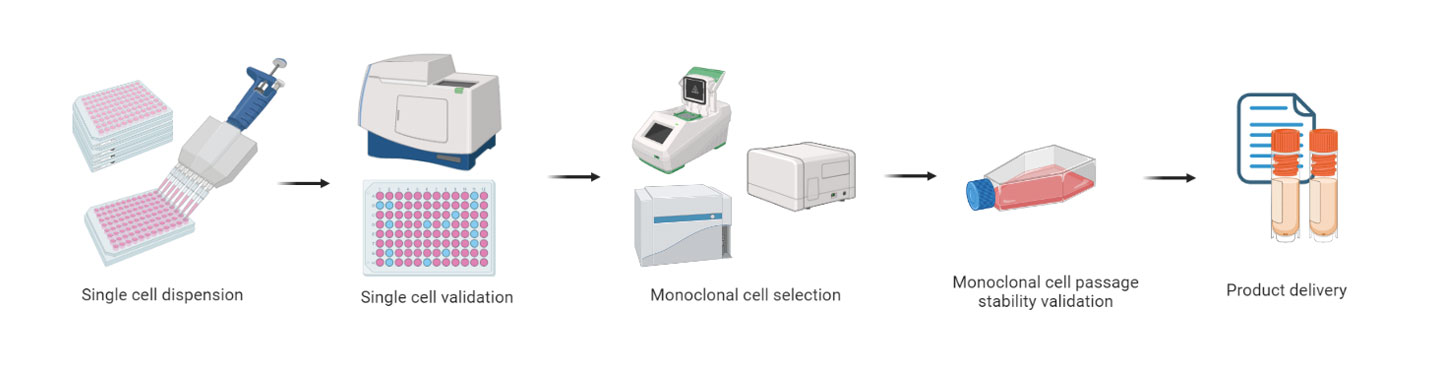
If Monoclonal Cell Lines Are Required

Monoclonal Cell Line Screening

3-5 Weeks

Single-cell seeding Monoclonal gene expression verification Monoclonal functional validation

Passage Stability Study

7-8 Weeks

Functional testing ofmonoclonal cells atdifferent passages Gene expression testing ofmonoclonal cells atdifferent passages

Product Delivery

1 Week

Stable monoclonal cell line Product quality test report(CoA) Cell line construction report
Platform Advantages
Designed based on product MOA to meet client needs
Short assay cycle, simple operation, and high reproducibility
Wide response window and high sensitivity
Supports stability and passage studies for method validation
Complementary reporter gene assay development services
Comprehensive R&D platform with extensive project experience.
Developable Cell Types
Cell Type Product Name Application
ADCC & ADCP ADCC Reporter Jurkat (158V) Detection of Antibody ADCC Effect
ADCP Reporter Jurkat (131H) Detection of Antibody ADCP Effect
Target and Pathway Research NF-κB Reporter 293T Development of NF-κB Pathway Activators or Inhibitors  
TLR4 Reporter 293T Screening of Functional TLR4 Antibodies / Ligands 
STAT3 Reporter DH82 Development and Screening of STAT3 Pathway Activators or Inhibitors
Viral Drug Research Universal Virus-inducible Reporter Cell Detection of Antiviral Drug Activity  
Overexpressing Cells  Canine IL-31R overexpressing 293T Development and Screening of Canine-Derived IL-31 Receptor Antibodies or Canine-Derived IL-31 Blocking Antibodies
Analytical Service List
Category Testing / Method Development Item Analytical Method
Protein Content  UV280/SoloVPE
BCA/Bradford/SDS-PAGE
RP-HLPC/SEC-HPLC/Protein A
Identity Isoelectric Point icIEF
Peptide Mapping RP-HPLC/UPLC
Western Blot Western Blot
Biological Activity Binding Activity ELISA
Cell-Based Activity MoA-based
Primary Structure Mass Spectrometry Molecular Weight   Intact Mass
Reduced Mass
Deglycosylated Intact Mass
Deglycosylated Reduced Mass
Sequence Coverage Multi-Enzymatic LC-MS Peptide Mapping
Post-Translational Modifications LC-MS Peptide Mapping
N-Terminal / C-Terminal Sequence Analysis LC-MS Peptide Mapping
Glycosylation Moditication N-glycan Identification LC-HILIC-FLR-MS
N-glycan Quantification HILIC-FLR
Sialic Acid Analysis UPLC-FLD
N-glycosylation Site Analysis LC-MS Peptide Mapping
Higher-order Structure Disulfide Bonds   LC-MS Peptide Mapping
Free Thiol Site Analysis   LC-MS Peptide Mapping
Total Free Thiol Content Ellman
Heterogeneity Analysis Charge Heterogeneity CZE   IEX   cIEF   icIEF  
Molecular Size Heterogeneity Multi-angle Light Scattering SEC-MALS   Analytical Ultracentrifugation (AUC)
Purity Aggregate and Fragment Analysis SEC-UPLC/HPLC nrCE-SDS rCE-SDS
RP Purity and Related Substances RP-UPLC/HPLC
Hydrophobicity Heterogeneity HIC-HPLC
Polysorbate 80 Content HPLC-ELSD
Polysorbate 20 Content HPLC-ELSD
Residuals                 Host Cell Protein (HCP) Residual ELISA
Host Cell DNA Residual qPCR
Protein A Residual ELISA
Impurity  Identification   Charge Variant Identification   IEX/LC-MS  
RP Impurity Identification   Intact Molecular Weight & Peptide Mapping  
Impurity Analysis and Identification Intact Molecular Weight & Peptide Mapping
Disulfide Bond Pairing and Mis-pairing Analysis LC-MS Peptide Mapping
Aggregate Analysis SEC-UPLC/HPLC
Video